
Where HERO® delivers real world impact
From energy-intensive manufacturing to resilient power generation, HERO® brings scalable, low-emission solutions to the applications that matter most.
01 / Application Pillar
Process Heat
Meeting the challenge of decarbonizing those industrial processes that can’t be electrified.
- Industrial Heat
- Hard to Electrify
- Carbon-free Production

THE ROLE OF PROCESS HEAT
WHY ELECTRIFICATION HAS LIMITS
HOW HERO® CLOSES THE GAP
THE GLOBAL ENERGY SHIFT
HYDROGEN AS ENERGY
STEAM TURBINE POTENTIAL
ORC TURBINES
SUPERCRITICAL CO2
02 / Application Pillar
Energy
- Chemical Battery
- Steam Turbines
- Supercritical CO2
03 / Application Pillar
Water Treatment
- Desalination
- Wastewater
- Research
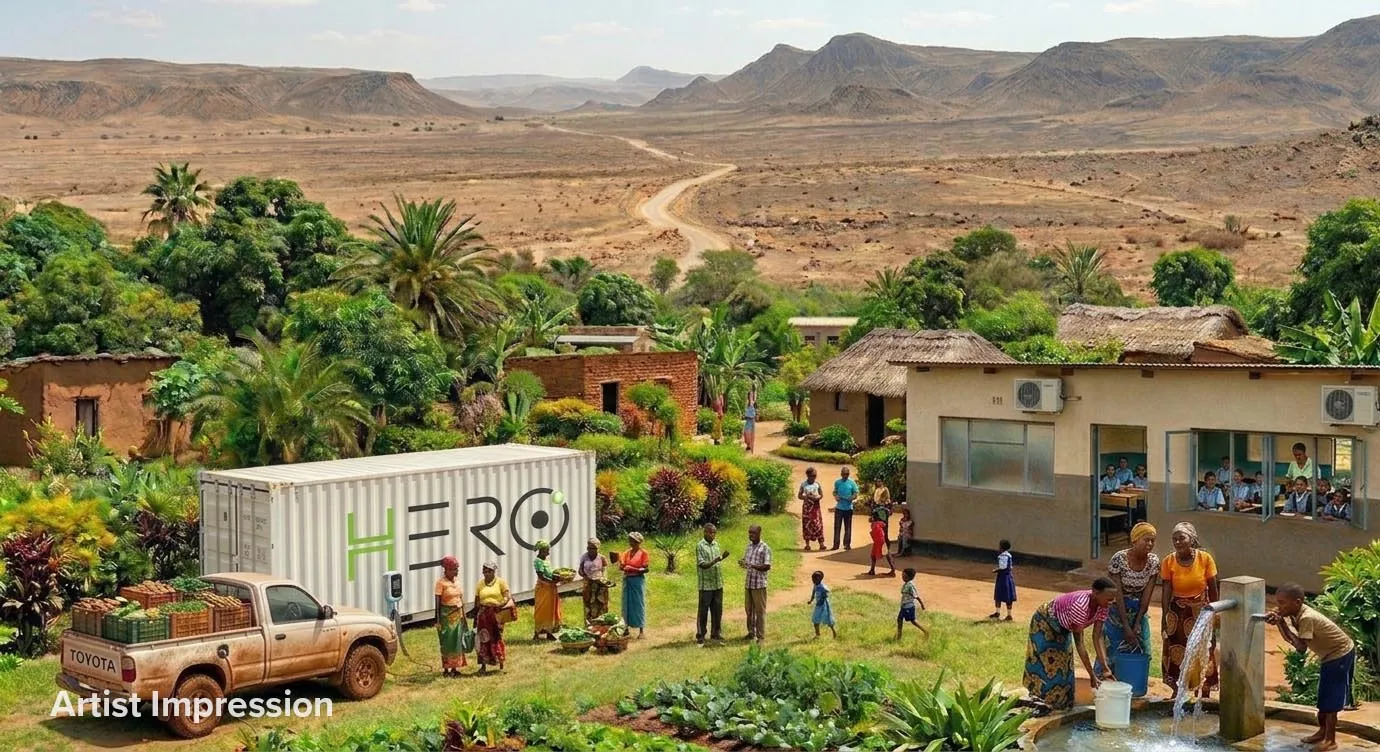
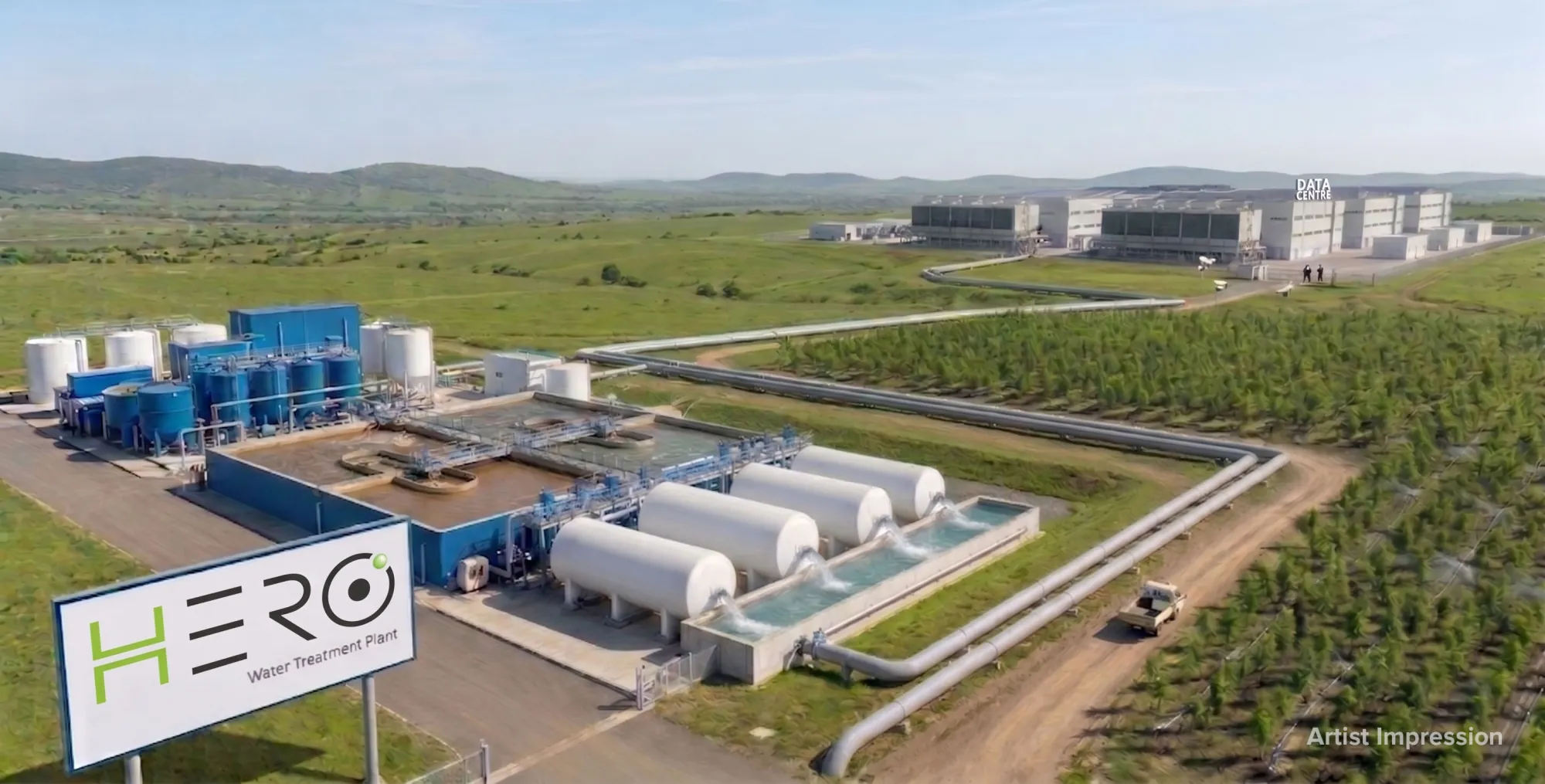
Extracting salt from sea water or ground water requires a lot of energy and/or heat, depending on the process which is used.
Likewise, mining and the production of oil gas creates a lot of saline and heavy-metal laced wastewater that is currently wasted. With some treatment this can be used, if not for drinking, then for industrial purposes and some forms of forestry and agriculture.
At Star Scientific, we’re researching ways that HERO® can be used to treat saline water, reducing the greenhouse gas intensity of the process.
WHY DISTRICT HEAT MATTERS
HERO® HEAT EXCHANGER
THE IMPLEMENTATION CHALLENGE
04 / Application Pillar
District Heat
- Northern Hemisphere
- Low Temperature Heat
- Local Regulations

05 / Application Pillar
GREEN STEEL AND ALUMINIUM
- Steel
- 600°C Hydrogen
- Aluminium Energy

GREEN STEEL
Clean Hydrogen is often spoken of as a key ingredient for “Green Steel”. It is thought that de-carbonising steel production is a major way that the world can hit its greenhouse gas targets.
THE REDUCTANT PROCESS
The process that is usually spoken of is separate to the HERO® process. The hydrogen is injected directly into the furnace to act as a reductant in the same way that coal currently is. A reductant means “burning off” and separating the impurities from the iron in the raw ore.
WHERE HERO® COMES IN
However, before it is injected into the furnace, or “kettle”, depending on the technology, the hydrogen is pre-heated to high temperatures, and this is where HERO® can come in.
ALUMINIUM
Making aluminium requires a lot of energy, and as we have described, we are working on clean energy systems. We believe these systems will be applicable to induction processes. Both these uses will take a little time to perfect, but again they are very exciting.
OTHER APPLICATIONS
- Drying
- Baking
- Fertiliser
- Transport
- Cleaning
DRYING
Drying is an important industrial process used in multiple industries. For example, hot air is used to dry milk for milk powder. Pulp and fibre need to be dried to make paper and personal care products. Drying is an important part of textile manufacture. All of these require the heat that HERO® can provide.
BAKING
HERO® can be used to heat a hot plate, which can be used for things like baking foods and kilns for industrial purposes such as brickmaking.
FERTILISER
Ammonia is the basis of synthetic fertiliser and is made by heating nitrogen in the Haber-Bosch process at 400-500 degrees. We believe HERO® can be used to provide this heat, to make “green ammonia” truly “green”.
TRANSPORT
Ammonia is also being investigated as a replacement fuel for shipping, replacing diesel. There is also the potential to use HERO® system to raise steam.
Private and commercial vehicles won’t be a target for HERO®, which is too complex for cars and trucks. However, hydrogen has a massive role to play here via the well-established technology of hydrogen fuel cells.
CLEANING
Commercial laundries for, for example, hotels, hospitals and jails, require heating for large volumes of water.
